

A closer look: open the paytable one result at a time.
Return to player is an expectation
Consider this rule alongside the active cabinet. RTP expresses the expected total award divided by the total paid wager over a very large number of rounds. This site calculates it from the actual symbol weights, tables and feature rules. It is not the percentage of spins that show a win or an assurance about a short session. The same definitions apply on a phone and a desktop browser. Keep the current domain in view when checking saved information.
Include every attached feature
The distinction matters when comparing games. A paid round can contain an initial spin plus free spins, a respin, a collection or a pick award. The published full-round RTP includes those attached results. Their awards are compared with the original paid wager, since feature steps do not deduct another one. Review one completed result at a time when comparing these details. Review the relevant page before using another mode.
Keep refills outside the ratio
This is part of understanding the current release. Starting credits and free refills are not game awards. Counting them in the return calculation would artificially inflate a player's observed result. The statistics therefore track paid wagers and actual awarded credits separately from any free balance added for practice. Read the active cabinet’s rule panel when applying this explanation. Keep the current domain in view when checking saved information.
Calculate ordinary line return
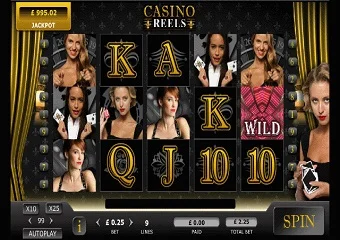
For a line, the calculation enumerates possible symbol sequences with their actual weighted probabilities and the line's highest valid award. Expected awards can be added across the 20 paths even when those paths share cells. This uses linearity of expectation without pretending the paths are independent. Review one completed result at a time when comparing these details.
Account for the feature rules
Keep the scope of the explanation in view. Free spins and retriggers use their expected total number of steps. The respin calculation preserves the Wild probability inherited from the first grid. Picking uses the mean of one selected tile, while collection uses the possible locked counts and remaining attempts, including resets. The examples describe virtual-credit play within this release. Review the relevant page before using another mode.
Use the table for this release
Keep the scope of the explanation in view. The table on this page shows the computed figures for each playable mode. They are generated from the same rule definitions as the game. Clearing the site's HTML cache changes presentation assignments and text choices; it does not reroll these mathematics or modify the symbol weights. Review one completed result at a time when comparing these details. Keep the current domain in view when checking saved information.
Distinguish calculation from certification
Use this point when reading a result. The figures are internal mathematical calculations supplied with this original virtual-credit game. This website does not claim that a regulator, casino laboratory or third-party auditor has certified them. The local game can be inspected in the program files, including the reproducible math-report tool. A mode’s own paytable remains the reference for its awards. Keep the current domain in view when checking saved information.
Interpret your own short sample
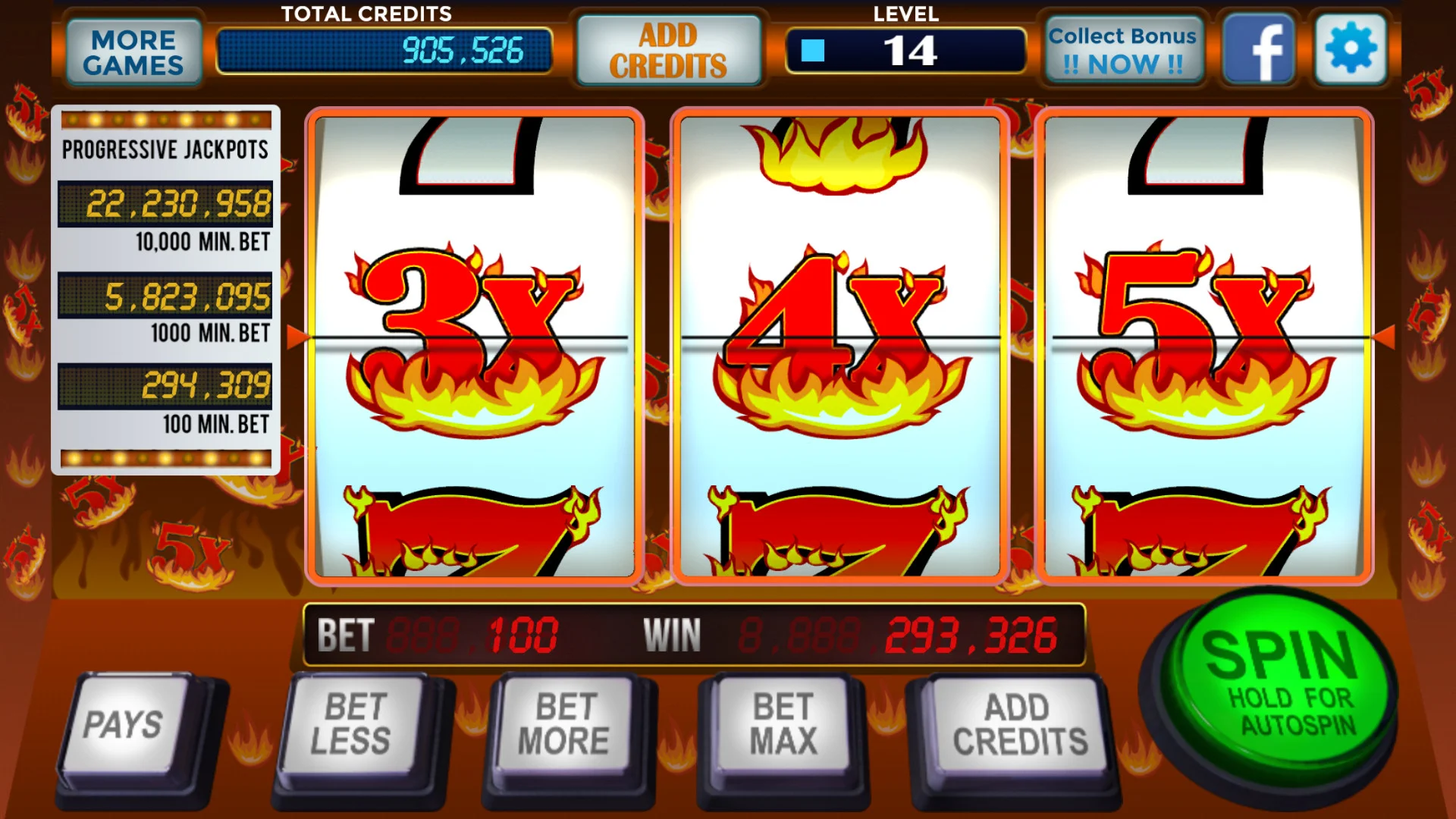
Use this point when reading a result. Observed awards divided by wagers can be far above or below the theoretical ratio in a small record. An active bonus can also leave some of a round's awards pending. A published average cannot determine the next result or remove the random variation in a short visit. The same definitions apply on a phone and a desktop browser.